
Why Texas Homes Lose the Freeze Fight
It feels strange to talk about freezes in the summer — but summer is exactly when you should winterize, because the materials are in stock, the schedule is open, and nobody is panicking. Anyone who lived through the February 2021 freeze remembers why: DFW homes are built for heat, with water lines run through unheated attics, exterior walls, and garages that homes up north would never allow. When a multi-day hard freeze arrives, those design choices become burst pipes — and after a big freeze event, every plumber in the metroplex is booked solid for weeks. The homeowners who prepared are the ones who didn't need us.
Water expands as it freezes, and in a closed pipe that expansion has nowhere to go. The pipe splits — often silently — and the flood arrives hours later when the ice thaws. That's why burst-pipe damage so often happens during the warm-up, when everyone thinks the danger has passed.
Start Outside: Hose Bibs
Outdoor faucets are the most commonly frozen fixture in DFW, and the most preventable.
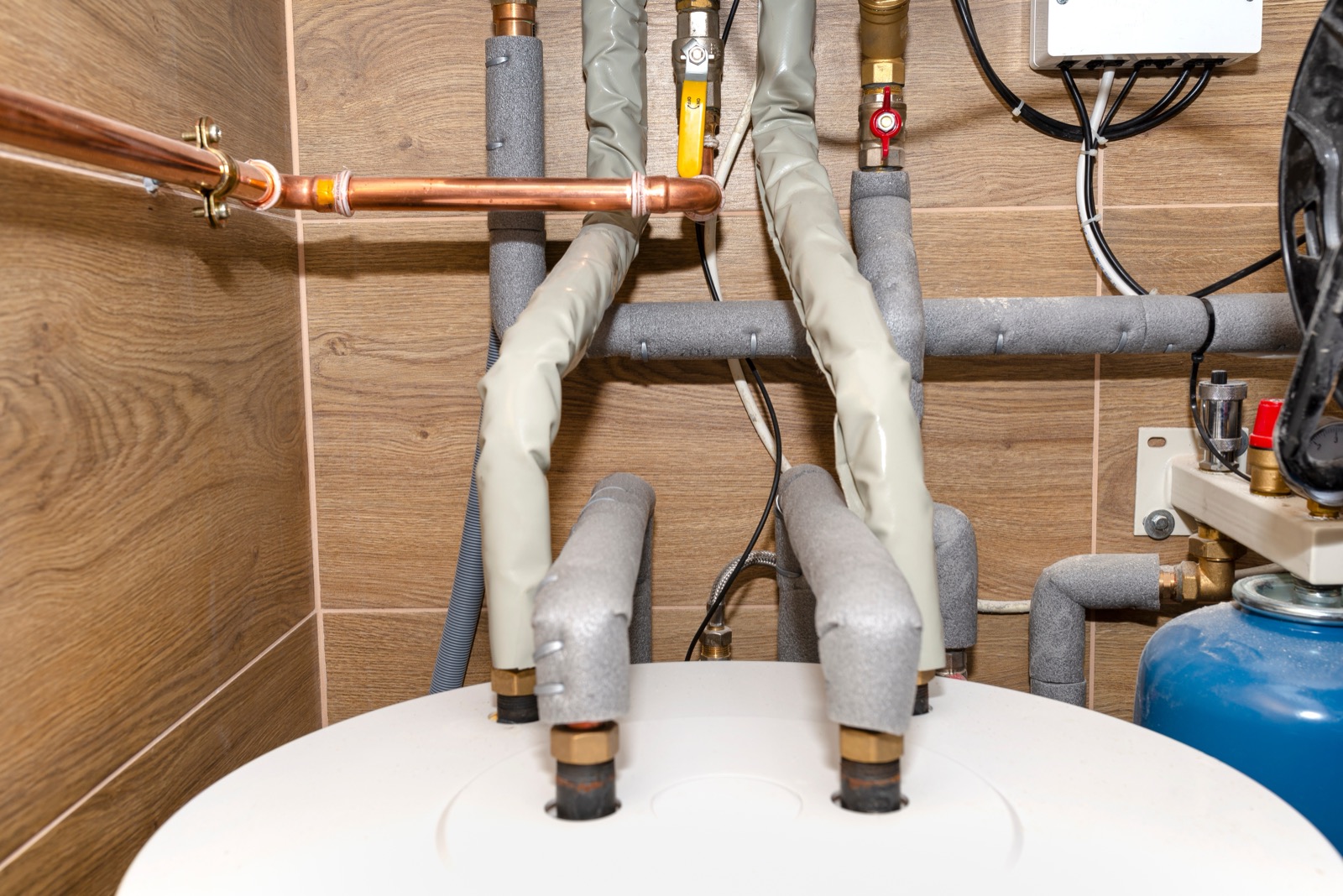
Exposed Pipes: Attic, Garage, and Exterior Walls
Walk your house like a cold draft would. Any water line you can see in an unconditioned space is a candidate for freezing:
The Drip Protocol, Done Right
When a hard freeze is forecast — especially multiple hours below the low twenties, or any stretch with power concerns — moving water is your insurance. Done right:
Know Your Main Shutoff Before You Need It
This is the step that separates an incident from a disaster. Tonight — not during the storm — find your main shutoff. Most DFW homes have one near where the line enters the house, plus a city valve at the meter box by the street (a meter key from any hardware store operates it). Make sure the house valve actually turns; a shutoff that's seized open is no shutoff at all. Every adult in the house should know where it is. If a pipe does burst, closing that valve immediately is the difference between a repair and a renovation.
If a pipe freezes, shut off the main, open the nearest faucet, and warm the area gradually — never with an open flame. If it has already split, that's a pipe repair call; and during freeze events, burst pipes go to the front of our line for the next available dispatch, just like any plumbing emergency.
Want your home checked before the cold returns? Call (682) 900-4100 — our plumber will walk your vulnerable lines and quote any protection work at a flat rate you approve before anything starts.