
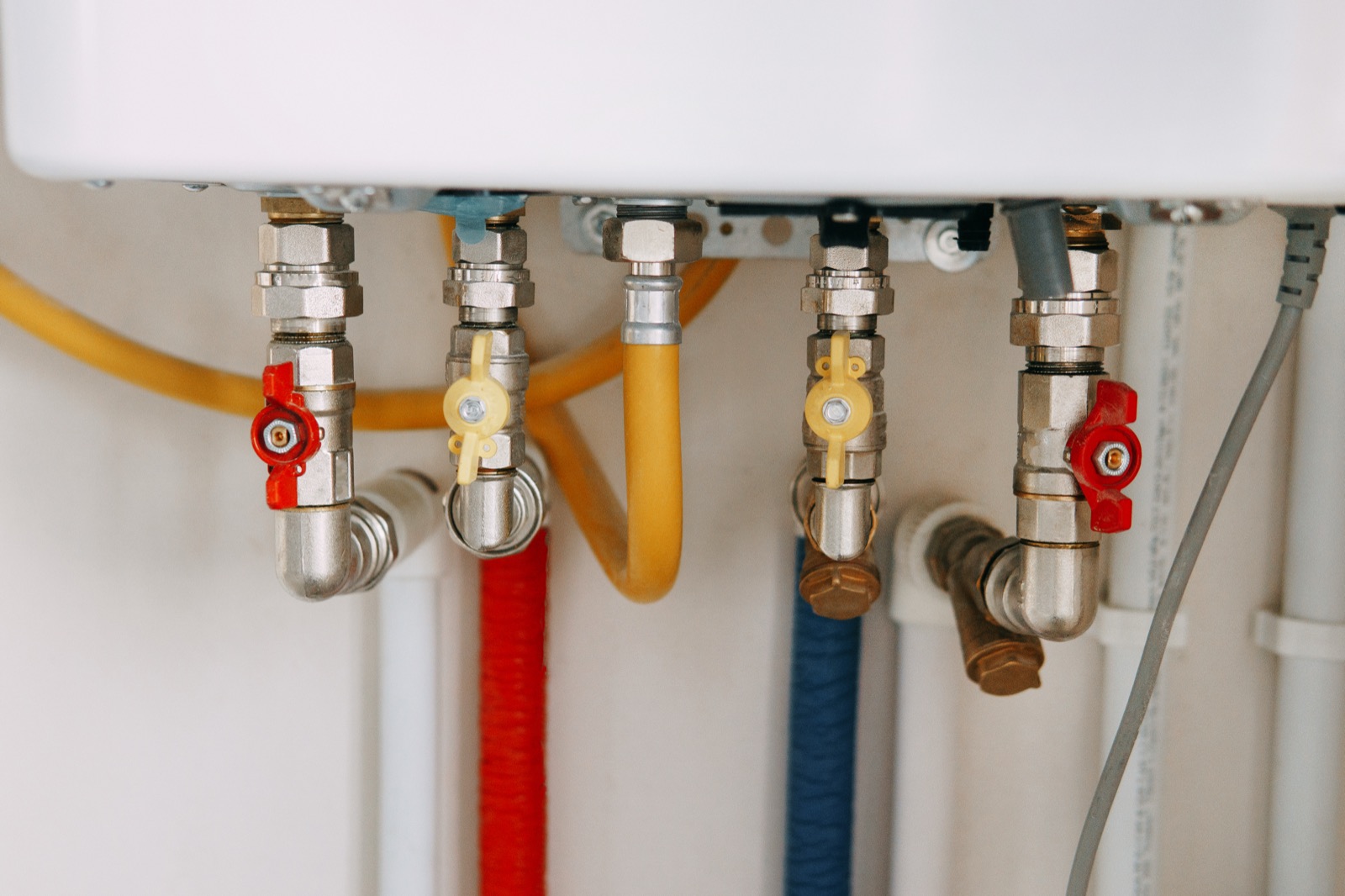
Close-up of water heater pipes and shutoff valves

Low Water Pressure

The fix depends entirely on whether it's one fixture or the whole house. We diagnose which it is first, then target the actual cause — not just the symptom.

$150 service visit — applies to the repair

TX Master Plumber #M-39682
Licensed & Insured
1-Year Warranty
BBB A+ Accredited
Need emergency service? Call (682) 900-4100 — emergencies get front-of-line priority

Start by narrowing it down: is it one faucet or showerhead, or every fixture in the house? Single-fixture weak flow in DFW is almost always mineral buildup — hard water leaves scale inside aerators and showerhead nozzles that gradually chokes the flow. It's a cheap, fast fix: unscrew the aerator or showerhead, soak it in vinegar or simply replace it, and pressure is usually back to normal immediately.

Whole-house low pressure is a different problem with three likely causes. A pressure-reducing valve (PRV) at the point where the city line enters your home can fail over time, and when it does, pressure at every fixture drops together. Older homes with galvanized steel supply pipes can develop internal corrosion and mineral scale that narrows the pipe's usable diameter over decades — the pipe looks fine from outside but is effectively clogged from the inside, and this typically gets worse gradually rather than all at once. Less dramatically, the main shutoff valve or a secondary valve somewhere in the system may simply be partially closed, sometimes after other work was done on the house.

Normal residential water pressure runs roughly 40-80 PSI; we test yours with a gauge at an outdoor spigot to confirm there's actually a problem and rule out the city supply. If the cause turns out to be a hidden leak reducing pressure elsewhere in the system, or corroded pipe that needs replacing, those are separate jobs we can quote once we've pinpointed the source.

Close-up of water heater pipes and shutoff valves

Upfront pricing — three ways to get one

Flat-rate, approved by you before any work starts. You pay for the work, not for a truck in your driveway. What you pay to find out depends on what you already know.

Know what needs replacing?
Free

Photo or phone quote

Water heater, toilet, faucet, disposal, a repipe — anything where you already know what needs replacing. Send a photo and we price it without sending a truck. Costs you nothing, obligates you to nothing.

Don't know what's wrong?
$150

Service visit

A licensed plumber diagnoses it on site. Covers the visit and the first 30 minutes of work — and it applies to the repair if you go ahead with one. It is also our minimum charge, so a small fix is often this and nothing more.

Need a specific test?
From $189

A named diagnostic

Pressure and PRV test, hydrostatic test, sewer scope, camera inspection, slab leak investigation. Each one is a fixed price with a written result you keep — real work with a real deliverable, not a sales call.

Evenings, weekends and holidays add a $149 after-hours fee, which members don't pay. The flat rate for the work itself never changes, and you approve every number before we start.

Frequently Asked Questions

How much does it cost to fix low water pressure in Dallas?
A single fixture with mineral buildup is a minor fix — often just a part swap. Whole-house pressure problems vary more: a PRV replacement is a contained job at one location, while corroded galvanized pipe narrowing the line may mean replacing a section or planning a broader repipe. The flat rate covers pressure testing and diagnosis, parts and labor exactly as quoted, cleanup, and a 1-year workmanship warranty. Replacing a fixture? Send a photo and we'll quote it free. If the problem needs diagnosing, the $150 service visit covers that and the first 30 minutes — and it applies to the repair. You approve the flat rate before any work starts.
How do I know if it's a PRV problem?
A PRV failure typically drops pressure evenly across every fixture in the house, sometimes gradually and sometimes suddenly. We test pressure directly at an outdoor spigot with a gauge — a reading well below the normal 40-80 PSI range points to the PRV or the supply line rather than any one fixture.
Could low pressure mean I have a leak?
It can. A significant hidden leak elsewhere in your system can rob pressure from your fixtures. If cleaning aerators and checking valves doesn't explain the drop, leak detection is the next step — see our leak detection page.

Ready to Schedule Low Water Pressure?

Same-day service for most repairs. Upfront pricing, no surprises. Licensed, insured, and backed by a 1-year workmanship warranty.

CallTextPhoto quote