
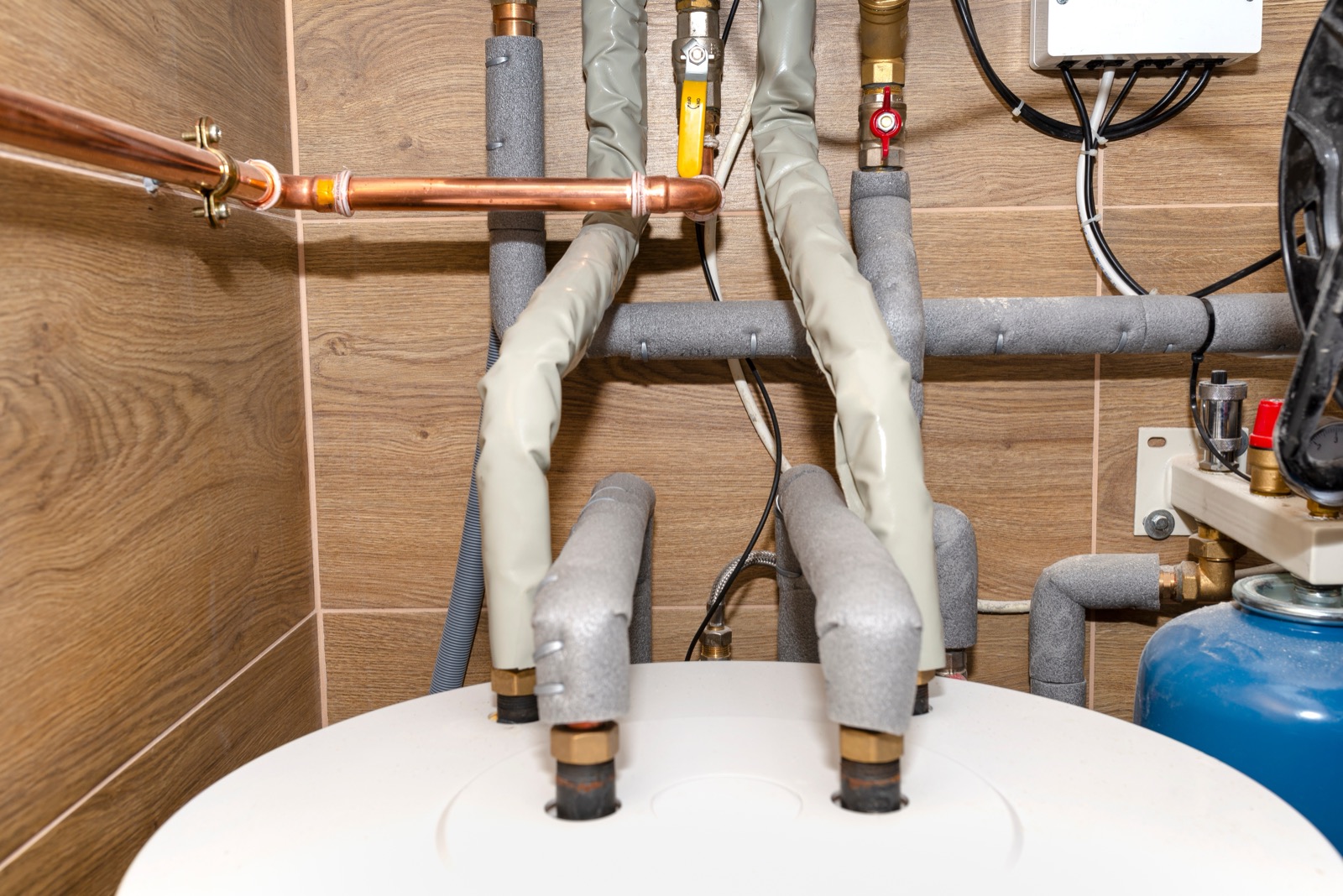
North Texas water is genuinely hard. The dissolved calcium and magnesium it carries are harmless to drink, but they're what etch white scale onto faucets and glass shower doors, stiffen laundry, dry out skin, and — the expensive part — build up inside water heaters, tankless heat exchangers, and fixture cartridges, shortening the life of all of them. Treating it isn't cosmetic; it's protection for every appliance that touches water in your house.
Three tools solve three different problems, and it matters which one you actually need. A water softener removes the hardness minerals themselves — it's the fix for scale, spotting, and appliance wear. A whole-house carbon filter targets chlorine taste and odor in every tap and shower, but does nothing for hardness. And reverse osmosis at the kitchen sink gives you the highest-purity drinking and cooking water at the one faucet where it counts, without the expense of purifying water you'll use to flush toilets. Many DFW homes pair a softener with an RO tap; some only need one or the other. We'll test your water when we come out and tell you plainly which combination your situation justifies — and which it doesn't.
Sizing and upkeep are where honest advice pays off. A softener is sized by your household's daily water use and the measured hardness of your water — an undersized unit regenerates constantly and burns through salt, an oversized one wastes money up front. Expect to add salt to a softener every month or two and plan on periodic filter changes: carbon media lasts years, but RO systems need their pre- and post-filters changed roughly annually with a membrane every few years. None of it is difficult, but a system nobody maintains quietly stops working — we set every install up with a maintenance schedule and offer the filter changes as a routine visit if you'd rather not think about it.